
CUSTOM GEAR. YOUR GARAGE.
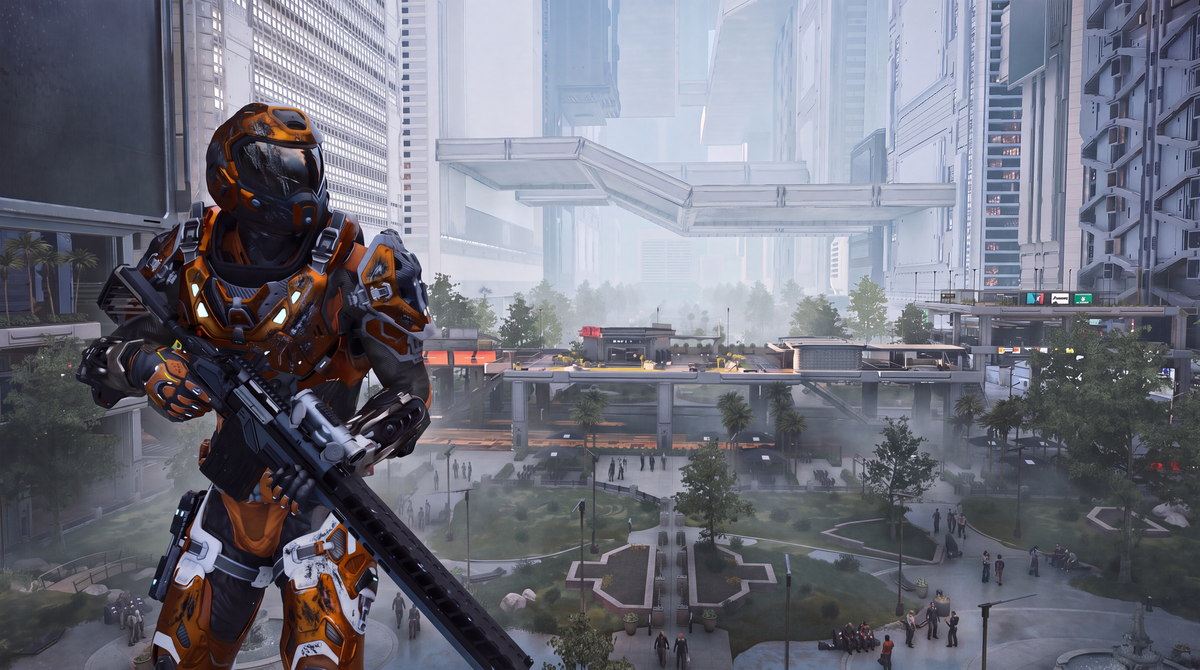
What you wear, what you carry, and what you drive can now feel distinctly yours. This update introduces the first iteration of the Gear Mods System, the Worn Static Paint Pack, Gear Repair at the Armory, personal Garages, and seven new vehicles from the Wheels collection. Customize your equipment, fix what the fights have worn down, and walk into a garage that belongs to you.
Make the Loadout Yours
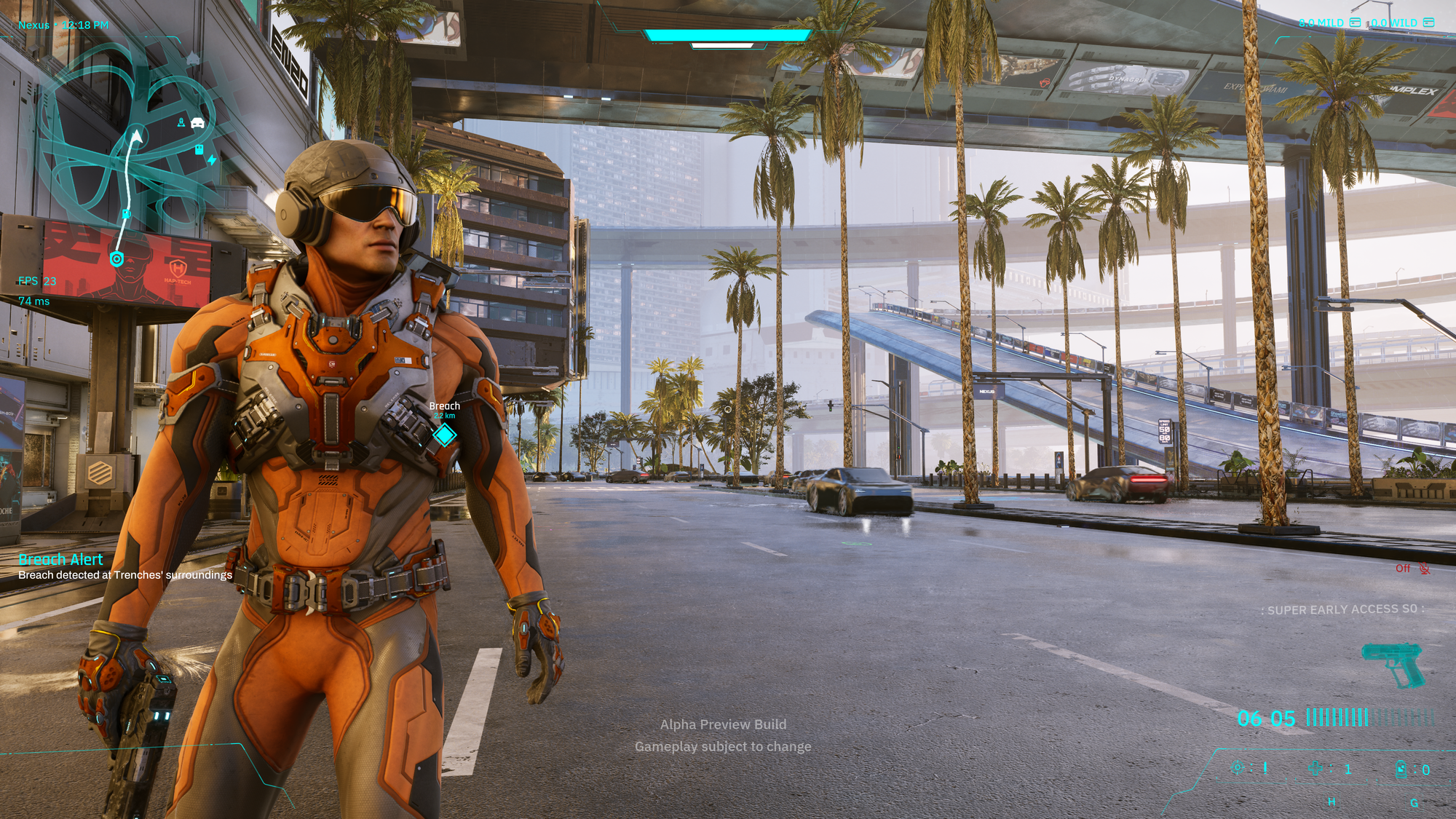
Gear Mods bring cosmetic color modification to armor, weapons, and weapon attachments, and the first paint pack is live. The Worn Static Paint Pack launches at the Armory: seventeen muted, real-world tones. Void Charcoal, Concrete Ash, Dead Moss, Signal Rust, Dust Bone, Petrol Slate, Bruised Plum, Faded Wild, Forum Navy, Jungle Static, Plasma Haze, Dried Blood, Wiami Sand, Cold Alloy, Toxic Dust, Sea Glass, and Nightfall. Made for survivors. Built for the Wild.
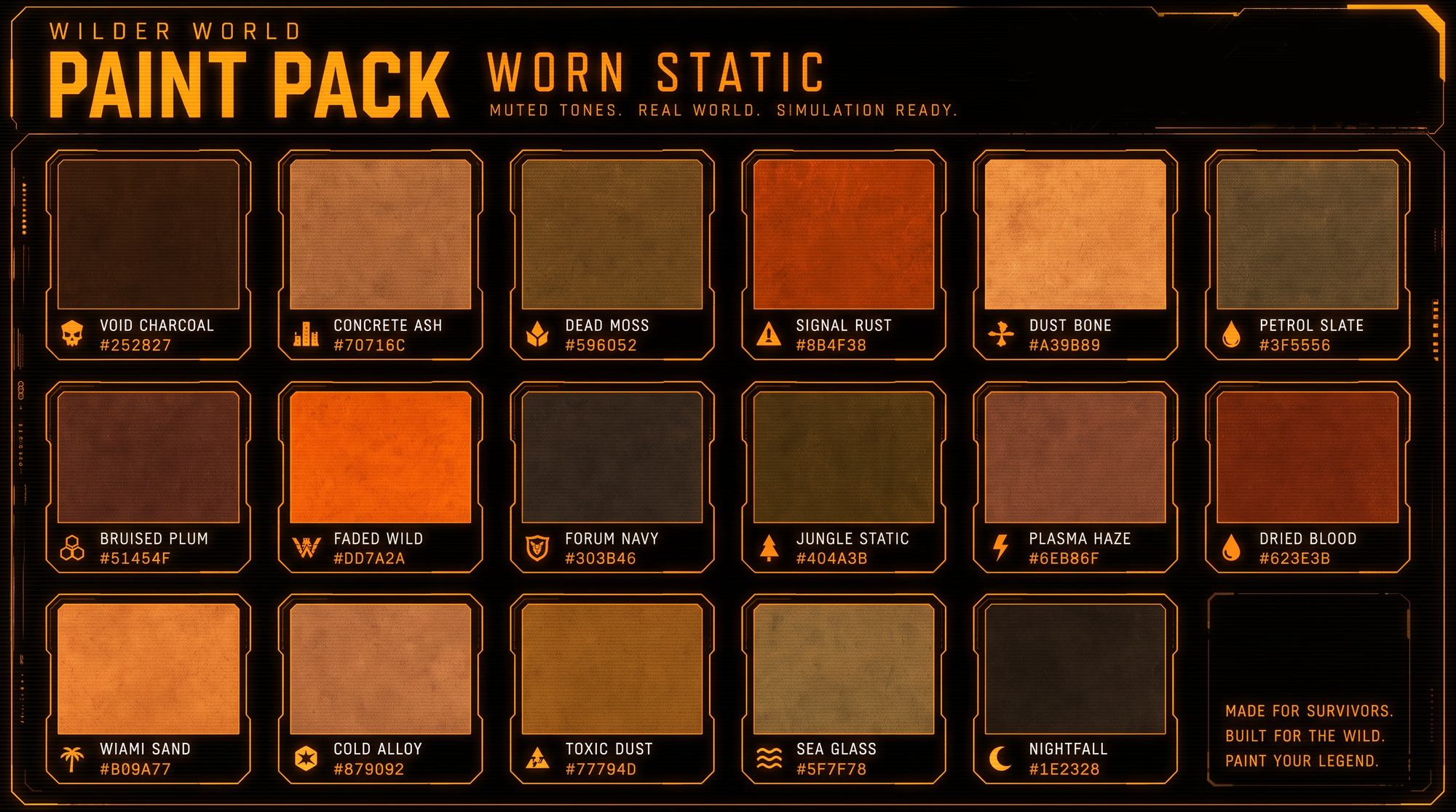
Here's how paint works. Each purchased paint lives in one slot at a time, applied to any gear or weapon, and you can move it to a different slot whenever you want. A paint changes only the piece's primary color, so your materials, secondary colors, and accent colors still shine through: the character of the asset stays, the palette becomes yours. Mix and match paints across your slots to build a look nobody else in Wiami is running.
Everything runs through the Backpack. Open the gear view and drag and drop mods between compatible pieces of equipment. Toggle mod slots on or off and the interface remembers your preference. Empty slots are clearly marked, and direct slot-to-slot transfers just work: when a swap applies, the system exchanges the mods for you instead of interrupting the action. Find a paint, assign it, test the combination, and revise the loadout without ever leaving the Backpack. When you're ready to expand the palette, the Gear Mods Vendor is open at the Armory.
Your Mods Stay With You
A mod stays assigned to its equipment slot when gear is swapped or removed, and you can replace it, transfer it to another compatible slot, or return it to the Backpack at any time. Weapons track their attachment mods independently, so each weapon configuration keeps its own visual setup.
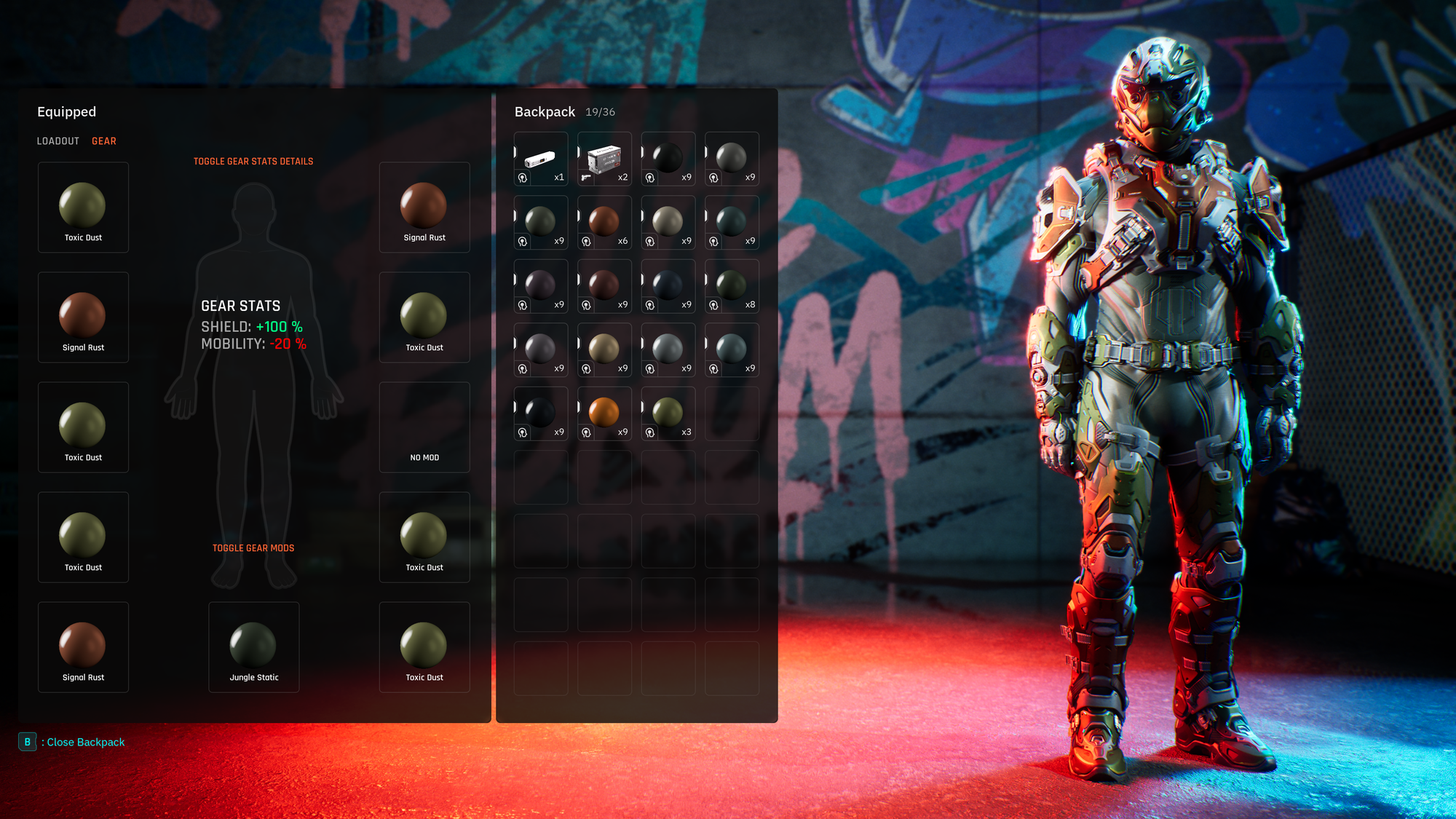
Beyond the session, Gear Mod assignments are saved to your player profile and reliably rebuilt from saved games, with migration support for older save data. A customized loadout comes back exactly as you left it, every time.
Fix Your Gear
Gear Repair is live at the Armory, and it works the way the damage does: piece by piece. Damage is locational. Hits to the head register on your helmet, hits to the hand register on your gloves, and so on across every armor part. Each piece absorbs hit points until it crosses its threshold, and then its condition drops one level.
Every gear piece has 10 condition levels, from 10 down to 0, and the lower the level, the weaker its bonuses. Level 10 is Pristine. Levels 9 through 6 are Good. Levels 5 through 1 are Worn Out. Level 0 is Damaged, and Damaged gives you nothing. Rarity gets toughness. Each tier absorbs more hit points before losing a condition level: Common takes 30, Uncommon 40, Rare 50, Epic 60, Legendary 80, and Wild 100. The rarer the piece, the harder it is to break.
Repairs run on MILD, and the cost scales with what you're fixing: how damaged the piece is, what type of gear it is, and its rarity. The same factors that set an item's shield bonus set its repair price, so the cost of fixing a piece always tracks its value in a fight. Expect anywhere from 2 MILD for a lightly worn Common glove up to 200 MILD for a Damaged Wild helmet. Take the hits, pay the price, walk out Pristine. Or run it Worn Out and pocket the MILD. Your gear, your call.
Your Garage.
The first version of the Garage System is live. Six garages sit beneath the Trenches, and each player can enter only their own. No other Wilder can access it. Inside, your garage spawns the vehicle you select from the main menu: a private location, a car to drive, and a space built around you.
This is the foundation of a permanent home for the Wheels tied to your identity in Wiami. A future update expands the system to display and manage your complete vehicle collection, letting you choose which owned vehicle spawns straight from the garage.
Seven Wheels
Seven vehicles join the game, each with its own handling:
- Word Wustang King Wilder (1978)
- WMW W5 W39 (2003)
- Wotus Wvora (2009)
- Wosler WT900W (2010)
- Wincoln Wontinental (1962)
- Whevrolet Wamoro W28 (1969)
- Whevrolet Whevelle WW 454 (1970)
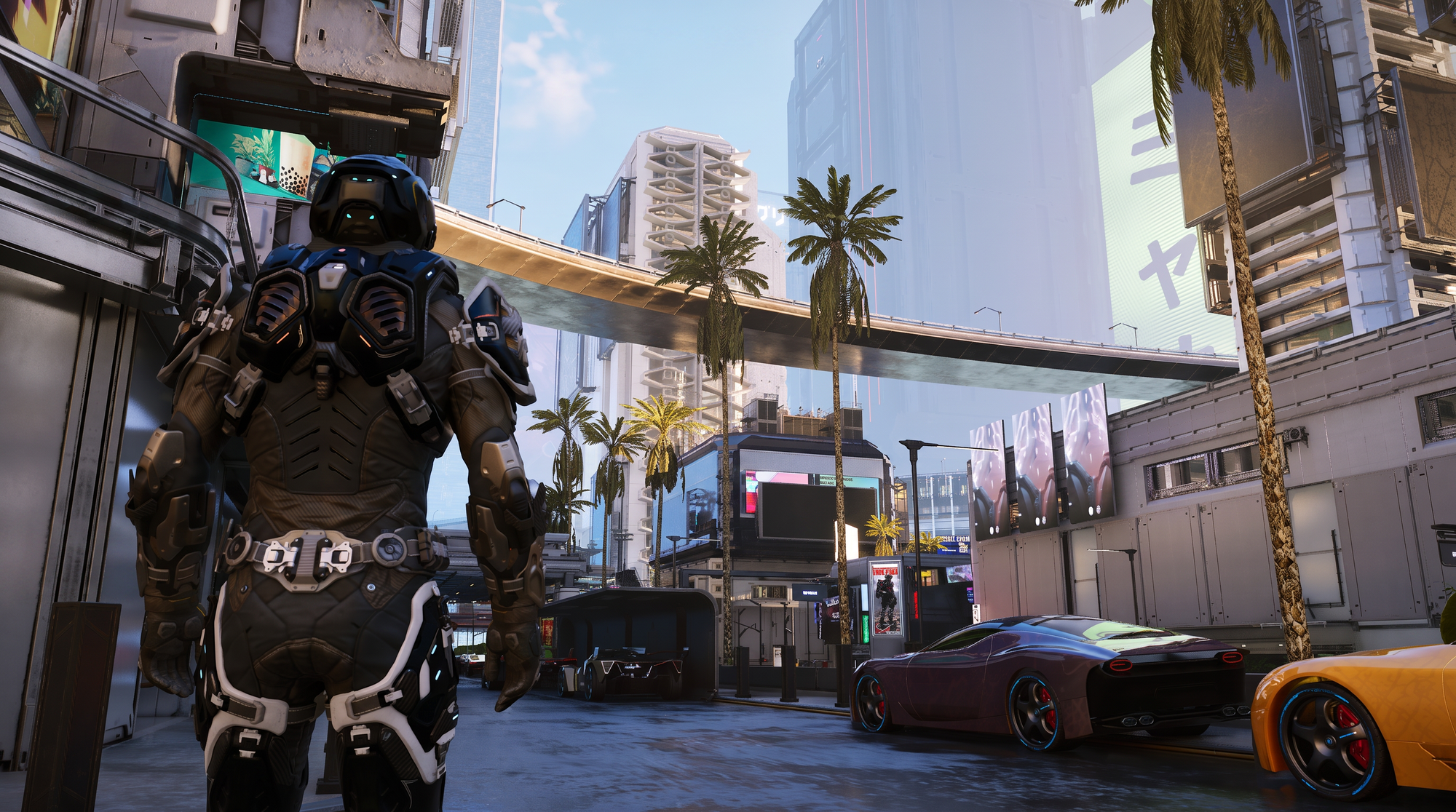
From vintage muscle to modern performance, the machine you choose changes how you move through the city and the presence you bring to the road.
System Fixes
A cleanup pass on the new customization interface: the NO MOD label no longer appears incorrectly on weapon slots in the standard equipment view, mod visibility and drag-and-drop inconsistencies are fixed, equipment-event handling now includes mod changes consistently across supported gear types, and internal equipment handling is more stable across the board.
Identity, From Loadout to Road
Gear Mods and Garages extend the same idea across two sides of Wilder World. The equipment on your body carries your chosen colors. The vehicle connected to your account has a private place in the world. Both systems start focused, and together they set the direction: ownership should be visible, personal, and present in everyday play. Choose the gear. Set the colors. Find your garage. Take your Wheel into Wiami.
What's Next
The next phase of Wilder World expands progression, ownership, and personal customization. New vehicles are targeted to come in each week, alongside Replay functionality and Daily Missions that give you more reasons to hit the streets. Apartments bring a new personal space, complete with an attached Gear Room to display the equipment and weapons you've collected. And WalletConnect integration, with support for loading owned assets directly from Ethereum, brings onchain collections deeper into the world.
More details as each system lands. Stay tuned.
With blessings,
The Wilders